
Ministry of Primary
and Secondary Education
ZIMBABWE
Fashion Designer
 Benefits to Secondary industries
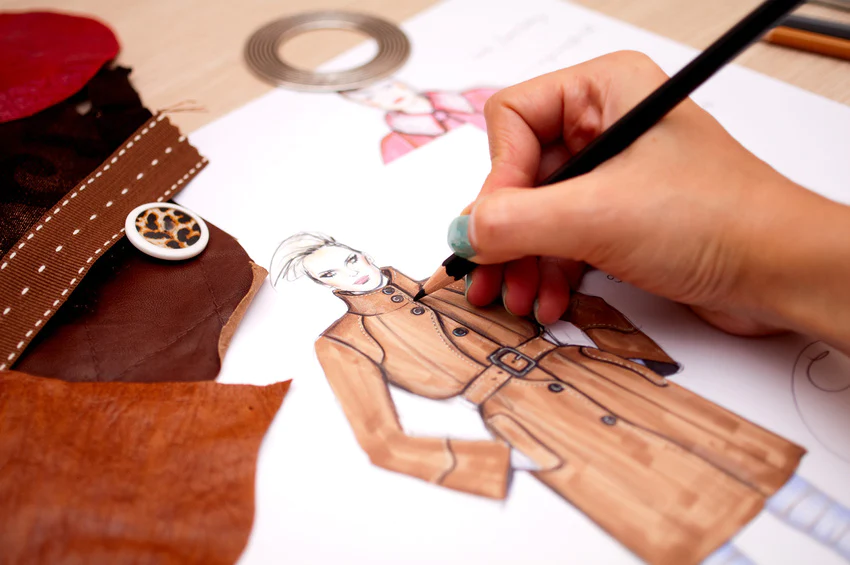
The clothing industry heavily relies on the textile manufacturing sector for the production of fabrics, yarns, and fibers. Textile manufacturers supply the clothing industry with a wide range of materials, including cotton, polyester, silk, wool, and synthetic fibers. The demand for textiles from the clothing industry drives the growth and sustains the operations of the textile manufacturing sector. The clothing industry requires various accessories and trims to enhance the functionality and aesthetics of garments. This includes buttons, zippers, ribbons, lace, labels, threads, and interlinings. The production and supply of these accessories form a secondary industry that caters specifically to the clothing industry's needs.
 Where do you live?
In a small town.
 What are some important skills?
Fashion design skills are essential for creating visually appealing and marketable garment designs. Pattern making skills, Sewing and Garment Construction and a good understanding of different types of fabrics, their properties, and their appropriate applications is crucial.
 What is your favourite part of your job?
The clothing industry is a significant source of employment globally. It creates jobs for designers, pattern makers, manufacturers, retail workers, marketers, and various other professionals across the supply chain. The industry's economic impact extends beyond direct employment, as it supports secondary industries and contributes to local and global economies. Moreover I love designing outfits.
 What are the main tools of the trade?
Sewing Machines, Cutting Tools, Pattern Making Tools, Irons and Pressing Equipment, Mannequins and Dress Forms and Measuring Tools.
 What training have you had?
I have an Fashion design bachelor's degree.
 Where do you see yourself in 10 years?
Designing trending outfits.
 Trip Preparation. Questions to ask :)
Here are some potential questions learners could ask fashion designers based on the subtopics:
- Important Skills:
- What skills do you think are most critical for success as a fashion designer?
- Can you give an example of a time when you had to use a particular skill to overcome a challenge in your designs?
- How do you stay proficient in essential skills such as illustration, fabric selection, and trend analysis?
- Favorite Part of the Job:
- What do you enjoy most about being a fashion designer?
- Can you describe a particularly memorable collection or project you worked on?
- What aspects of the fashion industry excite you the most?
- Main Tools of the Trade:
- What technology or equipment do you rely on most in your daily work as a fashion designer?
- How do you stay up-to-date with advancements in fashion design technology and trends?
- Training:
- Can you walk us through your training process to become a fashion designer?
- What kind of ongoing training or professional development do you participate in?
- How has your training prepared you for the challenges of being a fashion designer?
- Future Career Goals:
- What are your long-term career goals, and how do you see yourself progressing in the fashion industry?
- What advice would you give to someone who wants to pursue a career as a fashion designer?
This section is for the parents:
- Questions to Ask Your Child After a Field Visit:
- What did you learn or discover during the field visit?
- What was your favorite part of the trip and why?
- What surprised you or challenged your thinking?
- How did the field visit relate to your interests or career goals?
- What questions do you still have after the visit?
- How can you apply what you learned to your everyday life or future career?
- Additional Questions:
- What did you observe or notice about the place or activity?
- What skills or knowledge did you gain from the experience?
- How did the field visit change your perspective or understanding of a topic?
- What would you like to learn more about based on the field visit?